


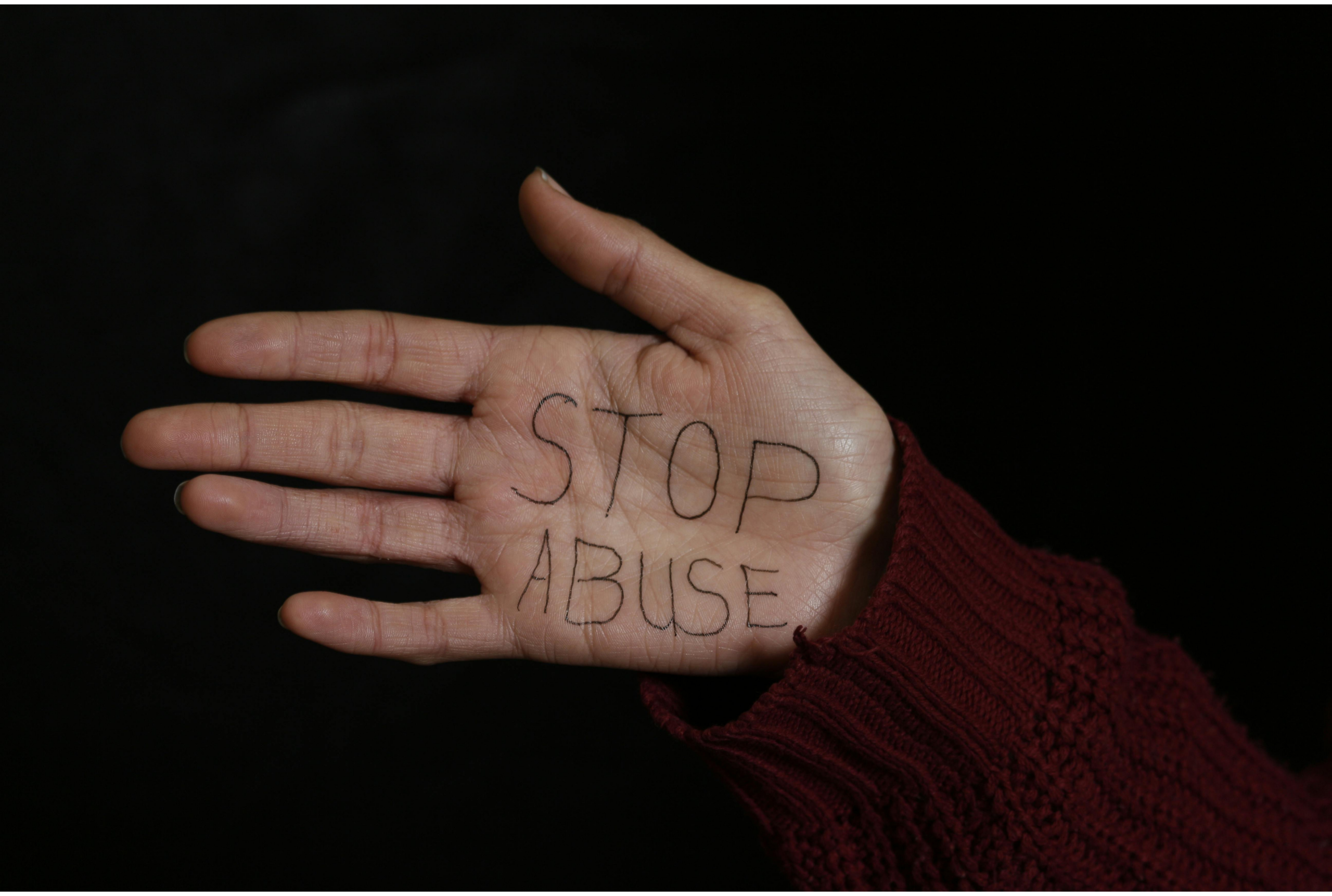
Content notice: This blog contains details on domestic violence and abuse, which some readers may find distressing.
International Women’s Day 2026
8 March marked International Women’s Day 2026. UN Women’s theme for 2026 is ‘Rights. Justice. Action. For ALL Women and Girls’, with the demand for equal rights and justice. UN Women have stated that as of 2026, women have 64% of the legal rights that men hold worldwide. If global progress continues at its current pace, the UN estimates it will take another 286 years to close the gaps in legal protections. The UN Women’s page states that,
…in fundamental areas of life, including work, money, safety, family, property, mobility, business and retirement – the law systematically disadvantages women.
This blog article will examine the barriers hindering equal access to justice for vulnerable groups, with a particular focus on victims of domestic/sexual abuse in Northern Ireland.
The scale of domestic violence in Northern Ireland
Women’s Aid Federation NI, reported that in 2024/25, 523 women and 364 children stayed in one of its emergency accommodation refuges to escape domestic abuse. It has supported a further 5,810 women living in the community, including 304 pregnant women (a 14% increase on 2023/24 figures).
2025 figures from the PSNI indicate that from October 2024 to September 2025, there were 30,203 domestic abuse incidents recorded in Northern Ireland, with 18,453 domestic abuse crimes reported. This equates to roughly 16 domestic abuse incidents and 10 domestic abuse crimes per 1,000 population. The release notes that not all domestic abuse incidents will result in a crime being recorded and some domestic abuse incidents may result in multiple crimes being recorded. A separate report from the PSNI, published in November 2025, stated that 67% of all domestic abuse victims were female and 33% were male.
The true extent of domestic abuse is hard to measure because many incidents go unreported, and recorded statistics only capture the cases brought to the police. Research by FactCheckNI highlights gaps in how offences linked to violence against women and girls are categorised. It found that some relevant incidents may be excluded while others may be misclassified. These data limitations also cause conviction rates to appear disproportionately low compared with the number of incidents believed to occur. This reflects both under-reporting and attrition at various stages of the justice process.
Barriers to reporting incidents
A 2023 report from Queen’s University identified several further barriers women and girls face when coming forward to report violent behaviour. These included:
- Reporting everyday violence feels trivial, normal and ineffectual. Women and girls did not define their experiences as ‘serious enough’ to report them to the police or even speak of them.
- Delays in recognising, processing and speaking of violence, where girls or young women may not recognise violence – for instance, sexual violence committed by a family member.
- The Snowball Effect and ruining others’ lives, where women could be concerned that if they disclosed violence committed against them, ‘the situation could be made worse’.
- Not being believed. There was a strong sense that girls and young women would not be taken seriously or believed were they to report violence.
- A lack of trust in the police. Several factors contributed to a lack of trust in the police, including that reporting to the police would not change the situation or that reporting would be ineffectual.
Systematic barriers and delays
In addition to the multiple barriers facing the victims of domestic and sexual abuse, recent statistics from the Department of Justice and the Northern Ireland Statistics and Research Agency (NISRA), have found that cases involving sexual offences took the longest to conclude. In 2024/25 these offences had a median completion time of 630 days, the highest among all offence types.
These delays can lead to a high attrition rate of victims withdrawing from their case. The 2019 Gillen Review into ‘the law and procedures in serious sexual offences in Northern Ireland’ noted that delays in the prosecution of sexual offences contributed to the attrition rate of complainants who withdrew their case. The report noted that,
…victims who experience delay in the overall progress of their case can choose to withdraw their support for the criminal justice process.
It should be noted that the Public Prosecution Service (PPS) has reduced the time it takes to make decisions on indictable prosecutions for all sexual offences. Median decision-making time has dropped from 212 days to 133 days in 2025.
Ongoing work to address equal access to justice in Northern Ireland
There are several ongoing initiatives in Northern Ireland that are looking to enhance the access to justice for the victims of domestic abuse.
The 2024-2031 Domestic and Sexual Abuse Strategy, from the Department of Health and the Department of Justice, is intended to deliver a vision where:
- Northern Ireland is a place where domestic and sexual abuse is not tolerated, and everyone can be safe and free from fear.
- Domestic and/or sexual abuse is everyone’s business, where partnership work and collaborative approaches create lasting change across communities.
- The voice of victims, including children and young people, is valued and central to decision making.
The Strategy is designed around five pillars. Pillar 5: Justice, intends to ensure that justice responses are effective, supporting victims and holding individuals who are abusive to account, at the earliest opportunity. The table below shows the intended outcomes of the pillar, alongside the key priority areas.
| Outcomes | Key Priority Areas |
| Victims feel confident to report domestic and/ or sexual abuse, barriers to participating in the justice system are reduced and justice responses are effective. | Improved understanding of the under-reporting of domestic and/or sexual abuse cases and the factors leading to high attrition (where victims withdraw from the justice process). |
| Providing victims with accessible information | |
| Improving the efficiency of the justice system and how domestic and/or sexual abuse cases are dealt with in the courts. | |
| Strengthening police and criminal justice responses to domestic and/or sexual abuse. | |
| Individuals are held to account for their abusive behaviour and supported to change, with the risk of harm reduced and victim safety enhanced. | Supporting individuals address and manage abusive behaviours and sustain positive change. |
| Working collaboratively to target prolific offenders. | |
| Provide integrated safety and support structures for victims where programmes to address abusive behaviours are undertaken. | |
| Improving protections for those at risk of abuse. |
Ministerial announcements in 2024 on plans to reset the justice system, through the Enabling Access to Justice Programme, identified several opportunities to improve support for victims of domestic abuse. This includes opportunities to provide specialist, tailored support, advice and assistance at the point of entry to the justice system, with a focus on vulnerable groups where there is an immediate need. This includes the victims of domestic abuse and sexual crime.
Other activities include the launch of the advocacy support service for victims of domestic and/or sexual abuse, ASSIST NI, in 2021. The service is a central point of contact for those affected by abuse and provides advocacy on behalf of victims, guidance, support and information and works with other support service providers.
If you suspect you or someone you know is experiencing domestic abuse, you can find more information from indirect, or call the domestic and sexual abuse helpline on 0808 802 1414.