


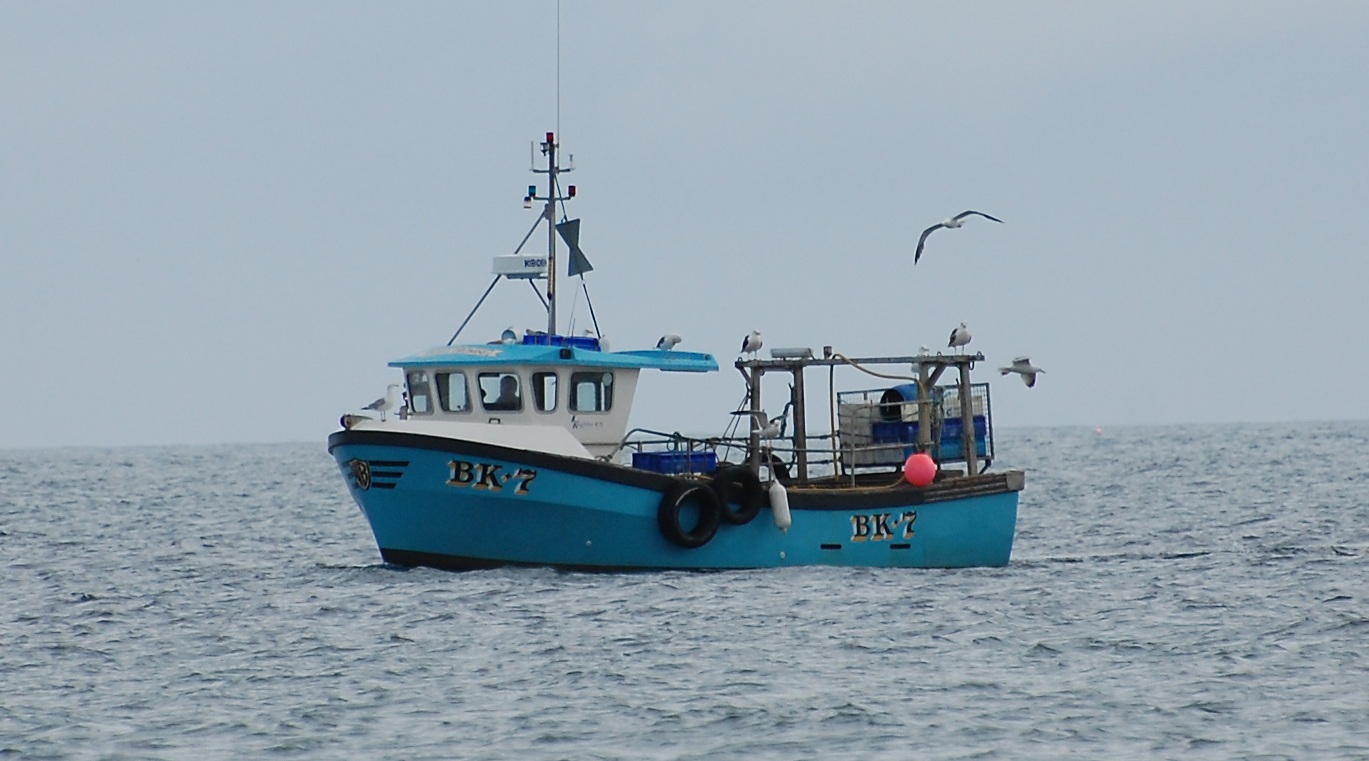
This article provides an overview of the health of Northern Ireland’s marine and freshwater fish stocks, summarising the key information from recent assessments and outlining the governance landscape shaping fisheries management. It highlights the diverse pressures affecting species across both environments. While marine and freshwater fisheries differ significantly in how they are assessed and managed, both are experiencing pressures that may influence sustainability and resilience.
This blog article is a summary of a research paper which provides a more in-depth analysis of Northern Ireland’s fish stocks.
Northern Ireland’s fisheries are economically and culturally significant. Marine fisheries support a fleet of around 275 vessels. Freshwater fisheries, while less commercially focused, remain highly important for recreation, with over 26,000 rod licences issued in 2024. Both sectors are entering a period of transition as DAERA prepares a new Fisheries and Water Environment Bill and continues development of Fisheries Management Plans under the UK Fisheries Act 2020. Against this backdrop, understanding the current health of fish stocks is essential for effective scrutiny and policy development.
Marine finfish: Most key stocks in poor condition
Marine finfish assessments in the Irish Sea indicate that many of the commercially important species targeted by the Northern Ireland fleet remain in poor condition. These include cod, haddock, plaice, herring, and mackerel, all of which are assessed through ICES stock assessments. While trends vary, the overall picture is one of long‑term decline, reduced spawning stock biomass, and falling recommended catch limits.
Cod, once heavily fished, has undergone decades of contraction and collapse. Despite a brief period of improvement around 2015 and the cod recovery plan, the stock remains very depleted with the recent advice recommending zero catch for the past years. Haddock displays similar long-term pressures, complicated by high bycatch levels within the Nephrops fishery. Plaice has moved from a period of relative stability into more recent decline.
Among the open water species, mackerel while still abundant overall, has experienced a sharp decline in spawning stock since 2014, with recommended TAC falling by around 70% in the most recent advice cycle. Herring stocks have also declined, partly influenced by mixing with the neighbouring Celtic Sea stock, which itself has deteriorated. Taken together, these assessments suggest limited signs of recovery, with whiting and sole the only species showing positive or stable recent trends.
These stock conditions carry implications for the Northern Ireland fleet, particularly as mixed fisheries, where multiple species are caught together and mean declines in one stock constrain fishing opportunities for others.
Shellfish stocks: Economically important but more data‑limited
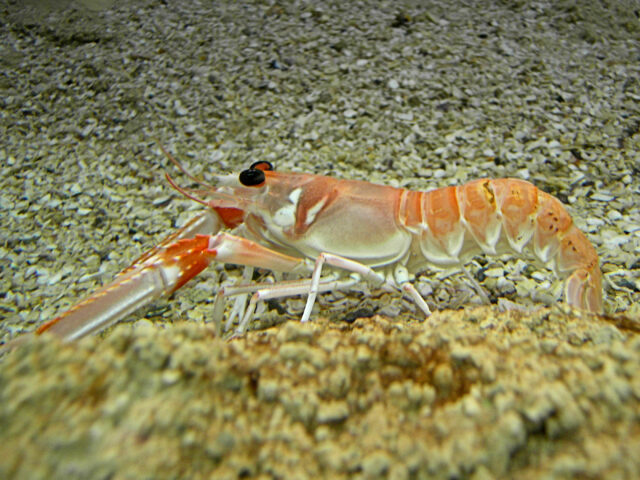
Shellfish particularly Nephrops, crabs, lobsters and scallops account for nearly half the economic value of Northern Ireland landings. Despite this, most inshore shellfish species are not subject to formal ICES assessments, and many have insufficient data to determine stock status confidently.
Nephrops, the single most valuable species to the fleet, shows declining trends in the western and eastern Irish Sea, reflected in reductions in recommended catch. Other regions, such as parts of the Clyde and Jura, show more positive trends, enabling vessels to move effort.
In the inshore sector, brown crab, velvet crab, lobster, and king scallop all exhibit indicators of pressure or decline based on landing data and local assessments. Brown crab landings have decreased since 2004, prompting successive increases in minimum landing size. Lobster assessments suggest the stock is currently overexploited, and king scallops continue to fall below average stock size. Periwinkle harvesting, although unregulated until recently, has limited stock information, prompting new regulatory steps.
Freshwater fisheries: Mixed trends across species and catchments
Freshwater fisheries across Northern Ireland show a more varied picture, with some stocks stable, others in decline, and several displaying complex regional dynamics.
Atlantic salmon: Sustained decline despite conservation measures
Atlantic salmon continue to experience long‑term decline, reflecting trends across the wider North Atlantic. Adult marine survival has fallen from around 30% prior to 1997 to below 5% today. Only a small number of Northern Ireland rivers currently meet conservation limits, with the majority operating under catch‑and‑release only.
Recruitment failures in several east‑coast rivers indicate pronounced vulnerability, while in the Loughs Agency areas (Foyle and Carlingford) returning adults have declined by around 63% relative to the five‑year average, prompting strengthened catch‑and‑release requirements for 2026.

Sea trout and brown trout: Mostly stable but regionally uneven
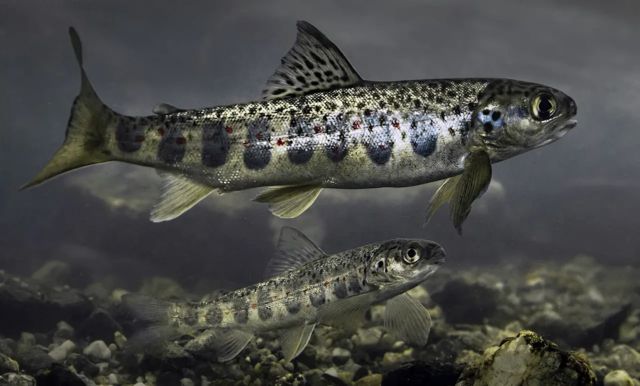
Brown trout assessments show generally stable or improving recruitment in approximately 70% of monitored rivers. However, some catchments notably the Glenarm, Inver and Threemilewater rivers in southeast Antrim show sustained declines. Lough Neagh and Lough Erne exhibit longer‑term shifts in abundance, with recent variability complicating interpretation.
Sea trout trends vary by region, with some rivers displaying long‑term increases and others experiencing persistent declines. Due to their shared species identity with brown trout, distinguishing pressures on sea‑migratory versus freshwater‑resident populations remains challenging.
European eel: Critically endangered with declining recruitment
The European eel remains one of the most vulnerable freshwater species in Northern Ireland. Lough Neagh hosts the only commercial eel fishery, yet natural recruitment has fallen dramatically from historical levels of 5–18 million glass eels per year to below 1 million for much of the past two decades.
Stocking efforts, undertaken annually since the 1980s, have recently become more difficult due to constraints under the Windsor Framework, which prevent importation of non‑EU eel stock and have increased pressure on European suppliers. Blue‑green algal blooms in 2025 further impacted the fishery by temporarily halting operations. Outside Lough Neagh, eel populations are also depleted, prompting strict conservation regulations including prohibitions on sale and requirements to return any eel captured incidentally.
Coarse fish: Broadly stable but changing community composition
Coarse fish communities in major loughs such as Neagh and Erne generally appear stable, though species dominance is shifting. Perch populations have increased substantially over recent decades and now dominate biomass in Lough Erne, while bream and pollan have declined. Roach remains widespread but show variable trends. Many smaller still waters support abundant self-sustaining stocks such as Hillsborough and Castlewellan, though monitoring remains sporadic.
These changes reflect broader pressures including invasive species, habitat alteration, and water quality issues, which are increasingly influencing species distribution and recruitment.
Pressures on both marine and freshwater stocks
Both marine and freshwater environments face growing ecological pressures that may influence fish stock health and management outcomes.
Sea surface temperatures in the Irish Sea have risen by approximately 0.5°C, contributing to changes in species distribution, growth rates, and spawning behaviour. Acidification and deoxygenation present additional risks, particularly for shell‑forming species and demersal finfish. Freshwater systems are experiencing parallel pressures through warmer temperatures, altered flow regimes, and increased frequency of extreme weather events.
Nutrient enrichment and wastewater pressures have significantly affected freshwater ecosystems, contributing to widespread harmful algal blooms, notably in Lough Neagh and the Lower Bann. These events reduce oxygen levels, impair recruitment, and can lead to fish kills.
Quagga and Zebra mussels are altering freshwater food webs and complicating fishery management by filtering plankton, altering nutrient cycling, and exacerbating algal bloom conditions.
Conclusion
Northern Ireland’s marine and freshwater fish stocks present a varied picture, but one characterised overall by significant pressures and emerging risks. Most commercially important marine finfish stocks are assessed as being in poor condition, while shellfish stocks are constrained by limited data and declining trends in several key species. Freshwater stocks show more diversity: salmon and eel remain in pronounced decline, trout populations show mixed but generally stable patterns, and coarse fish communities appear broadly resilient, albeit with shifting species dominance.
Across both systems, climate change, environmental degradation, and invasive species are increasingly influencing stock health and management complexity. Evidence gaps, particularly in the inshore marine and smaller freshwater systems, may constrain the development of robust ecosystem‑based approaches.