


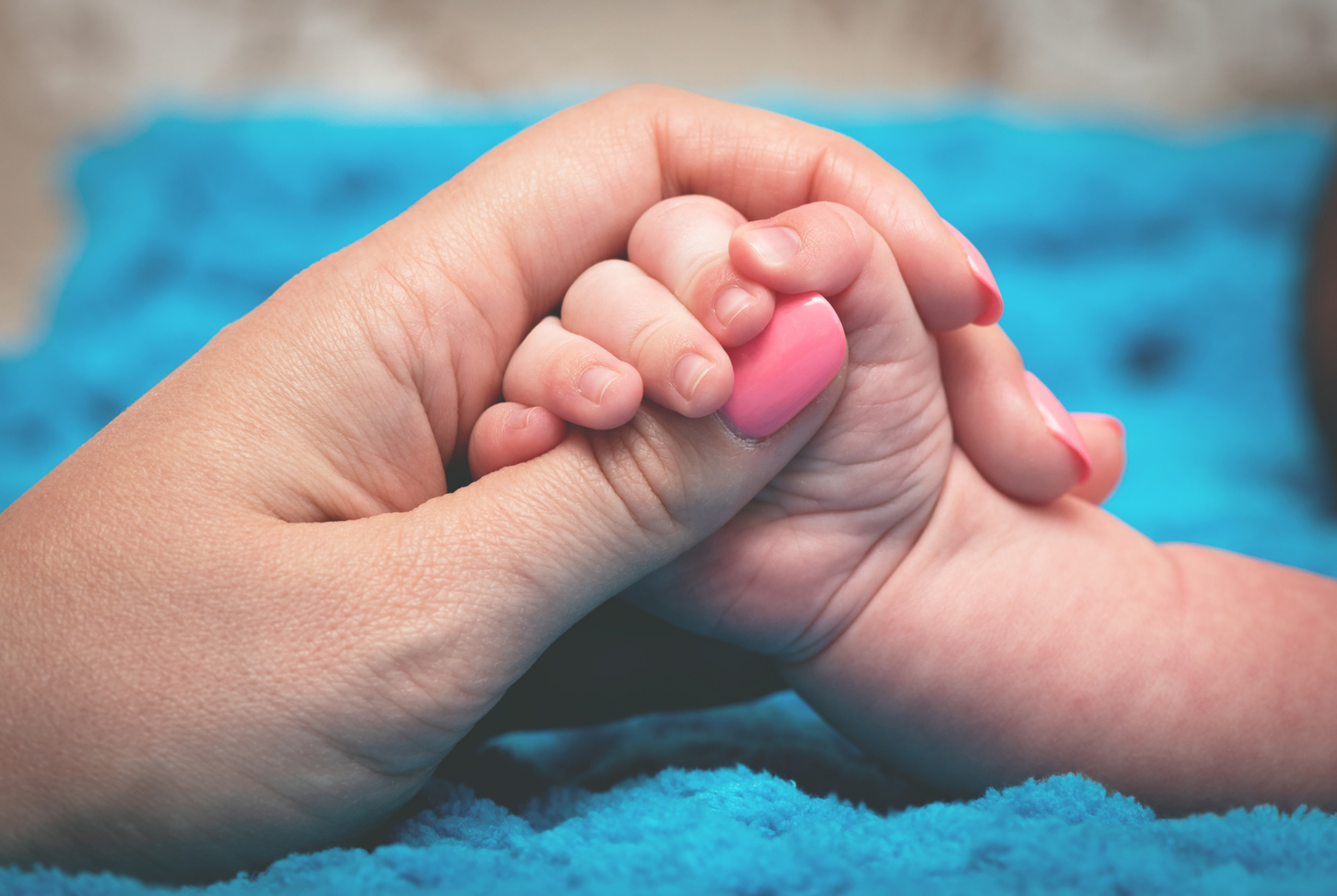
This article examines mother-infant separation during psychiatric admission in Northern Ireland, considers the relevance of Article 8 of the European Convention on Human Rights and explores how specialist Mother and Baby Units operate elsewhere in the UK.
Does psychiatric admission require mother-infant separation?
A woman who develops a severe mental illness after giving birth may require urgent inpatient psychiatric treatment. In Northern Ireland, that can mean admission to an adult psychiatric ward while her baby is cared for elsewhere. In these cases, separation happens because there is no local service that can admit mother and baby together, rather than because of a clinical decision that they need to be apart.
Severe perinatal mental illness can develop rapidly. Postpartum psychosis, for example, is a psychiatric emergency that affects around one in 1,000 births worldwide and can require urgent hospital treatment. Other women may need admission because of severe depression or a recurrence of an existing condition such as bipolar disorder or schizophrenia. Research on perinatal mental health services in Northern Ireland has highlighted the continuing need for specialist inpatient care.
Northern Ireland-specific data is limited, but available estimates suggest that around 100 women a year may require hospital admission for severe mental illness during the year after giving birth.
The need for treatment is not in question. In some cases, hospital admission is essential to protect a woman’s health and, where relevant, the safety of her baby.
A separate question is what happens to the relationship between mother and baby while that treatment is taking place.
When admission also means separation
Northern Ireland currently has no operational specialist Mother and Baby Unit (MBU). The RQIA review of perinatal mental health services in Northern Ireland reported that general adult psychiatric units were not designed or resourced to accommodate babies. In practice, when a mother is admitted, alternative arrangements have to be made for the baby’s care and for contact during treatment. The review recommended that a regional MBU should be established.
Research comparing women’s experiences of specialist Mother and Baby Units with general psychiatric wards found that women generally preferred co-admission and described separation from their babies as distressing and disruptive to recovery and early motherhood, with some reporting fewer opportunities to develop their relationship with their baby. These findings do not establish that temporary separation causes harm in every case, but they suggest that it can place additional strain on women already experiencing severe perinatal mental illness and on the developing relationship with their baby.
Separation may still be necessary in some cases, for example where there are clinical or safeguarding concerns. The distinction is between separation that is necessary for an individual mother and baby and separation that happens because there is no local co-admission option.
Admission and separation are not the same decision
Northern Ireland law provides for both voluntary and compulsory psychiatric admission. A woman may agree to admission voluntarily, or she may be admitted and detained under the Mental Health (Northern Ireland) Order 1986 where the legal requirements for compulsory admission and detention are met.
Whether admission is voluntary or compulsory does not determine whether a mother needs to be separated from her baby. A woman may agree to admission knowing that separation will follow, but her agreement to admission does not establish that separation itself is necessary. Similarly, compulsory admission determines whether she may lawfully be detained, not whether mother and baby must remain apart.
This is where Article 8 of the European Convention on Human Rights becomes relevant.
What does Article 8 require?
Article 8 protects the right to respect for private and family life. Through the Human Rights Act 1998, public authorities in the UK, including Northern Ireland, are required to act compatibly with Convention rights. The European Court of Human Rights has long recognised the relationship between a mother and her child as part of protected family life. In K and T v Finland, the Court described the mutual enjoyment by parent and child of each other’s company as a fundamental element of family life. That protection exists from birth, as recognised in Marckx v Belgium.
Separation during psychiatric admission interferes with that protected family life. Article 8 does not prevent separation where there are sufficient reasons for it, but the interference must be lawful, pursue a legitimate aim and be necessary and proportionate. Article 8 may also require the State to take positive measures to secure effective respect for family life.
No reported European Court of Human Rights case was identified specifically dealing with mother-infant separation resulting from psychiatric admission. However, its wider Article 8 case law on parent-child separation provides principles that can help assess whether such separation is justified.
These include the circumstances of the individual family, any identified risk, whether treatment and any associated risk could be managed in a way that interferes less seriously with family life, the interests of the child and whether the separation remains justified as circumstances change.
Does admission have to work this way?
The position elsewhere shows that psychiatric admission does not necessarily require mother-infant separation.
England, Wales and Scotland have specialist inpatient provision allowing a mother requiring psychiatric treatment to be admitted with her infant where this is clinically appropriate and safe.
In England, the NHS England specialist perinatal mental health service specification identifies avoiding unnecessary separation as an objective. NICE guidance recommends that women requiring inpatient treatment for a mental health problem within twelve months of childbirth should normally be admitted to a specialist MBU unless there are specific reasons not to do so. Wales also provides a specialist inpatient perinatal pathway.
Scotland goes further by addressing joint admission in legislation. Section 24 of the Mental Health (Care and Treatment) (Scotland) Act 2003 requires Health Boards, where the statutory conditions are met, to provide services and accommodation enabling a mother receiving hospital treatment for a mental disorder to care for her child in hospital if she wishes. Those conditions include that the child is under one, that the mother is not likely to endanger the child’s health or welfare and that co-admission would benefit the child’s wellbeing.
The legal and service arrangements are not identical across these jurisdictions, and co-admission will not be appropriate in every case. The comparison does, however, establish an important point: separation is not an unavoidable consequence of psychiatric admission. It can depend on how inpatient services are organised and whether a co-admission option is available.
What is happening in Northern Ireland now?
The position in Northern Ireland is changing. In April 2026, the Health Minister confirmed that the planned Regional Mother and Baby Unit at Belfast City Hospital would proceed, with the permanent unit expected to open no later than 2028/29.
In the Written Ministerial Statement, Northern Ireland was described as the only part of the UK without a dedicated MBU and the absence of specialist provision as an “unacceptable gap”. The statement also confirmed that no temporary or interim solution had been agreed.
The planned unit is intended to provide a local co-admission option for women who require inpatient perinatal psychiatric treatment, but until it becomes operational, the current arrangement of admitting mothers separately from their babies will continue.
The existence of that gap does not mean that Article 8 requires the State to provide a particular model of healthcare. Decisions about specialist services involve questions of resources, staffing, facilities and clinical safety, and States have a degree of discretion in how those services are organised. These practical considerations form part of the Article 8 assessment alongside the effect of the service arrangement on family life.
What about the period before the MBU opens?
The Regional Perinatal Mental Health Care Pathway already provides a regional framework for perinatal mental healthcare and includes arrangements for women moving between community and inpatient services. It also adopts a whole-family approach and recognises the need to consider safe arrangements for dependent children when a mother is admitted.
The pathway does not, however, set out a specific process for considering mother-infant separation during admission. One option during the period before the MBU opens would be to build on the existing pathway with clearer regional guidance on recording the reasons for separation, arrangements for contact and when the need for separation should be reviewed.
Until then, the way inpatient services are organised will continue to shape whether psychiatric treatment also means separation from a baby.