Constituency boundaries
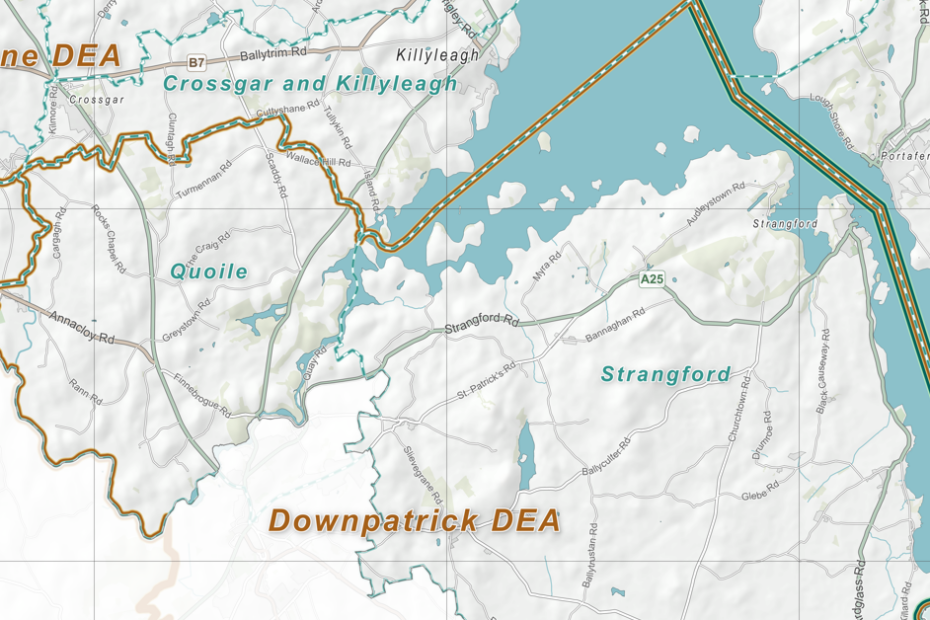
The 2023 Review of Parliamentary Constituencies made a series of changes to the boundaries of the 18 Northern Ireland parliamentary constituency areas. These were passed… Read More »Constituency boundaries


The 2023 Review of Parliamentary Constituencies made a series of changes to the boundaries of the 18 Northern Ireland parliamentary constituency areas. These were passed… Read More »Constituency boundaries

Engagement with the academic community can be helpful for fostering informed discussions and decisions within the Northern Ireland Assembly. Academic research is typically robust and… Read More »Moving beyond the ‘usual suspects’ in academic engagement

The Assembly’s Research and Information Service (RaISe) partners with academia and other academic institutions under its ‘Programme of Academic Engagement’. Knowledge Exchange (KE) activities play… Read More »Effective Knowledge Exchange activities in the Northern Ireland Assembly – facilitating access and use of academic research findings and expertise
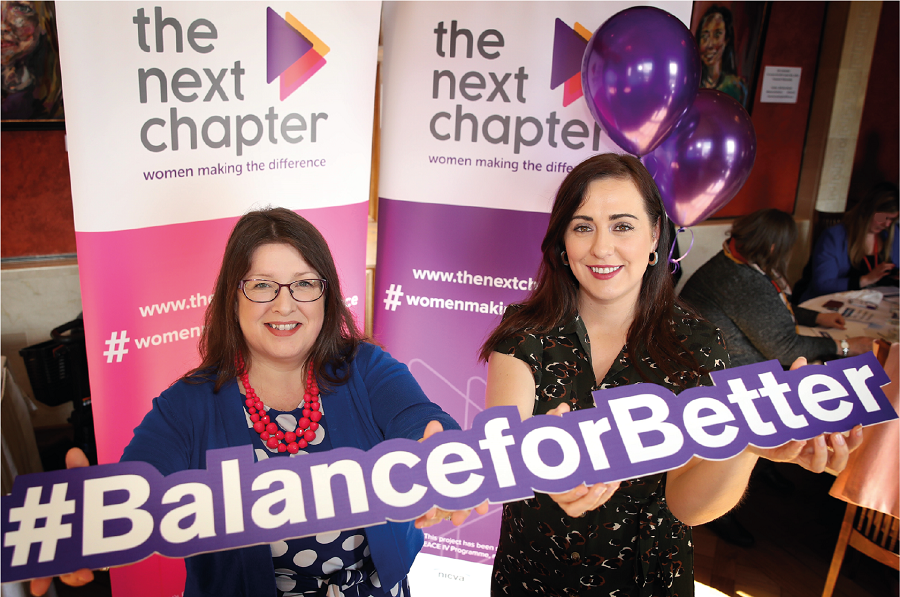
Please note that more up-to-date statistics on gender representation can be found in the RaISe research paper Who Runs Northern Ireland? A Summary of Statistics… Read More »Who runs Northern Ireland? Taking stock of gender and power in Northern Ireland
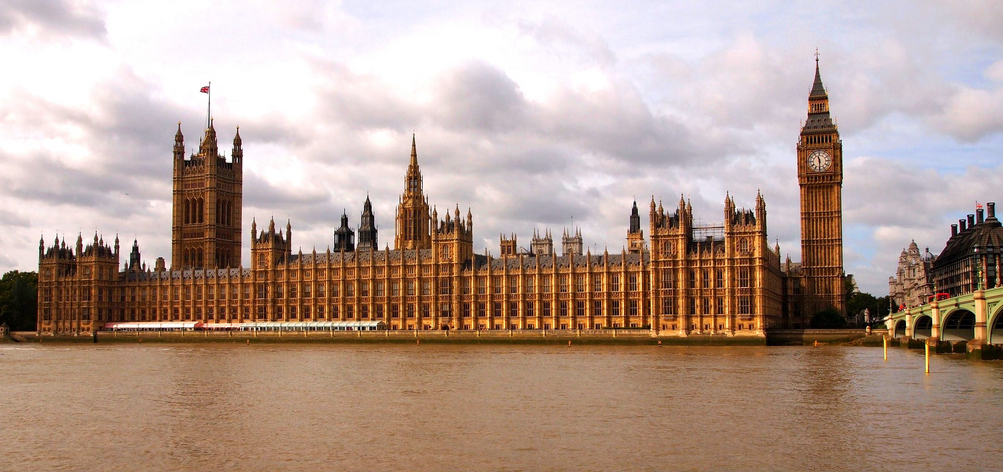
A high profile consequence of the continuing failure to establish an Executive and fully functioning Assembly was the legislative passage this week of the Northern… Read More »EU exit regulations and Northern Ireland

This week is Libraries Week so we thought we would provide an insight into the Northern Ireland Assembly Library, its work and the collection that… Read More »A brief overview of the Northern Ireland Assembly Library
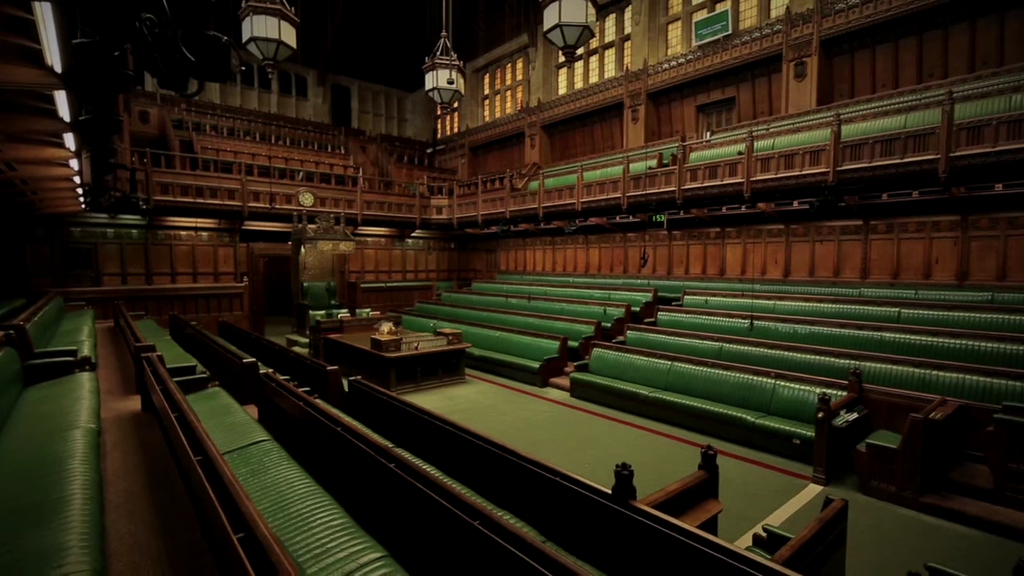
The European Union (Withdrawal) Bill returns to the House of Commons this week. MPs will consider the Bill in a Committee of the whole House. The… Read More »European Union (Withdrawal) Bill: Back in the Commons
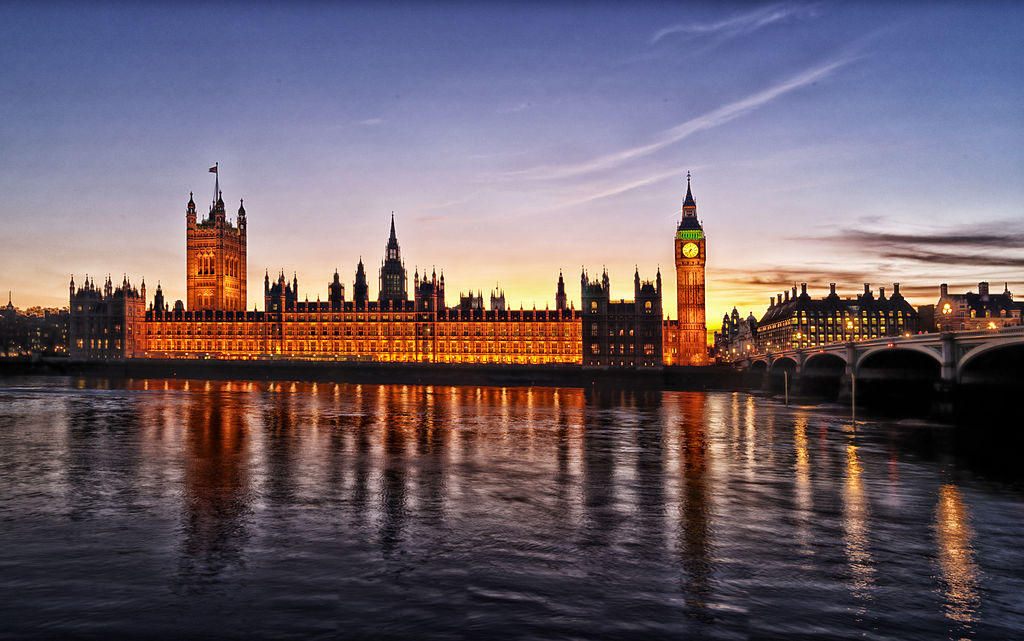
The Westminster general election of 8 June 2017 resulted in a ‘hung parliament’, with the Conservatives as the largest party but without an overall majority. The result was: Conservative (318), Labour (262), SNP (35), Liberal Democrats (12), DUP (10) and Others (13). The Labour vote surged by over 3.5 million (38%), from 9.347 million in 2015 to 12.878 million in 2017. The Conservatives received 42.4% of the vote, while the Labour share rose from 30.4% in 2015 to 40.0% in 2017, an increase of 9.6 percentage points. Locally, the two largest parties (DUP and Sinn Féin) dominated the election, mainly at the expense of the three smaller parties (UUP, SDLP and Alliance). This post reviews the general election of 2017 in Northern Ireland; it follows a recently published research paper on the election results.
Read More »General election 2017: A detailed look at the result in Northern Ireland

Transferred votes are an extremely important part of the Single Transferable Vote (STV) system. In the 2017 Assembly Election, only 18 MLAs had a sufficient number of first preference votes to meet the quota and to be elected at the first count; the remaining 72 were elected at a later stage and required transferred votes. This post examines how votes were transferred between parties.

Read More »Transferred votes in the March 2017 Assembly Election
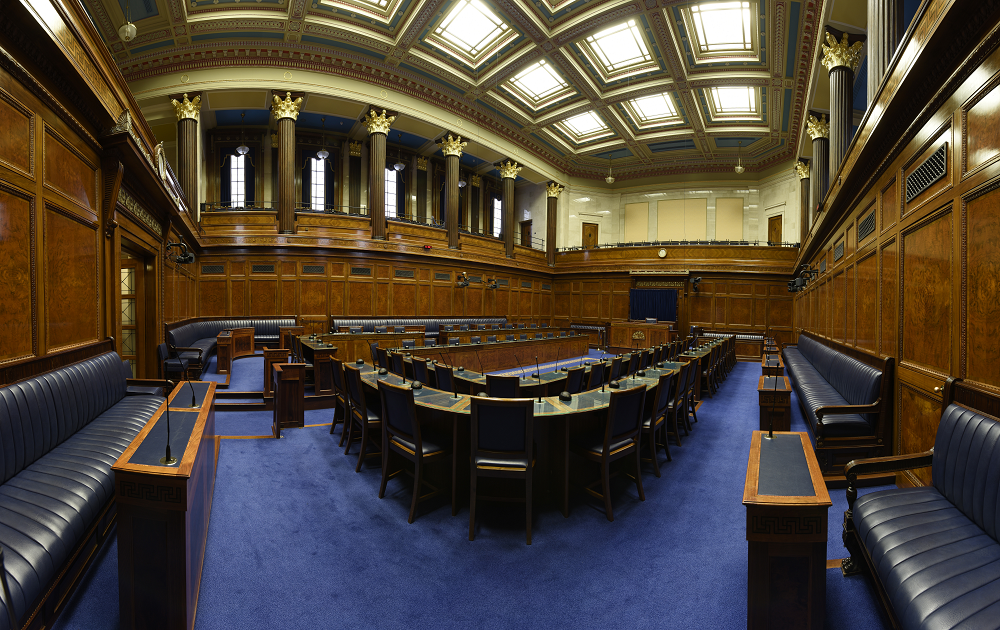
Please note that more up-to-date statistics on gender representation can be found in the RaISe research paper Who Runs Northern Ireland? A Summary of Statistics Relating to Gender and Power in 2020.
In the context of International Women’s Day and following the election to the Northern Ireland Assembly on 2 March, we have updated a previous article on the representation of women in public life.
Read More »The representation of women in public life: where does Northern Ireland stand (now)?
